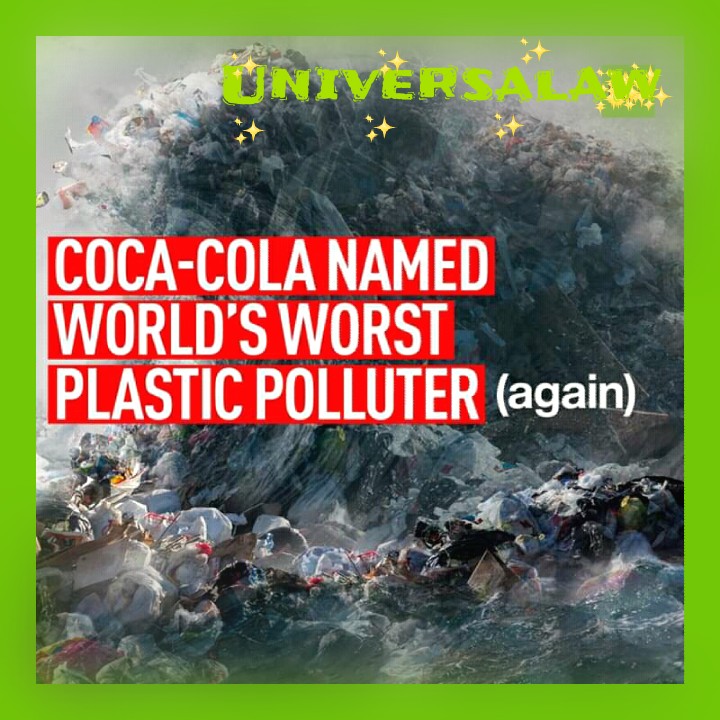
In its annual audit of plastic waste found on beaches, rivers, parks and communities across the globe, Break Free From Plastic found Coca-Cola bottles were by far the worst offender.
The company’s branding was discovered on 13,834 pieces of plastic at 51 of the 55 sites surveyed — more than the combined total of Nestlé (8,633) and PepsiCo (5,155), which were the second and third worst polluters.
The project, which is undertaken by 15,000 volunteers, collected almost 350,000 bits of plastic waste, of which 63 per cent was marked with an identifiable brand. In total more than 5,000 brands were identified in the survey.
Greenpeace accused Coca-Cola, Nestlé and PepsiCo of failing to adequately deal
with the plastic crisis and of “teaming up” with oil companies to produce even more of the environmentally damaging material.
“To stop this mess and combat climate change, multinationals like Coca-Cola, PepsiCo, and Nestlé must end their addiction to single-use plastic packaging and move away from fossil fuels,” said Abigail Aguilar, plastics campaign coordinator for Greenpeace Southeast Asia.
The damning report comes just months after the three soft drinks manufacturers were accused of “hypocrisy” after a report claimed they had made public pledges to cut plastic waste while quietly undermining sustainability reforms through lobbying groups and trade associations.
According to research by Changing Markets Foundation, Coca-Cola remains the biggest plastic polluter in the world, with a plastic footprint of 2.9 million tonnes per year.
In 2016, the UN Human Rights Council mandated the Office of the High Commissioner for Human Rights (OHCHR) to produce a database of companies involved in specific activities relating to settlements. The PepsiCo and Unilever with 111 more entities were involved in financing isreali settlements included:
Supplying equipment and materials facilitating the construction and expansion of settlements and Israel’s West Bank barrierSupplying equipment for the demolition of housing and property, and the destruction of farms, greenhouses, olive groves and cropsProviding services and utilities supporting the maintenance and existence of settlements, including transportBanking and financial operations helping to develop, expand or maintain settlements and their activities, including loans for housing and businesses.
 Truth Is Bitter